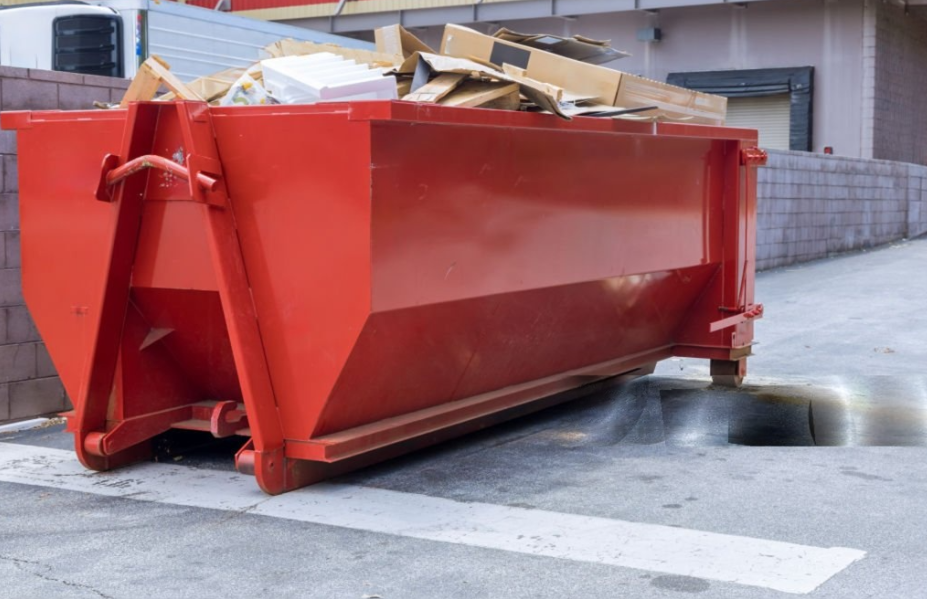
Renting a dumpster is one of the most efficient ways to manage debris during home renovations, cleanouts, landscaping projects, or construction work. However, in Lee County, Florida, a Dumpster rental is not as simple as dropping a container and tossing everything inside. Local regulations, city ordinances, and disposal standards all influence how dumpsters can be used, where they can be placed, and what materials are allowed.
Failing to follow these rules can lead to fines, forced relocation of the dumpster, rejected loads, or unexpected fees. This article provides a detailed, practical guide to the local waste rules that affect Lee County Dumpster rental projects and explains how to stay compliant from start to finish.
Understanding Lee County vs City-Level Regulations
One of the first points of confusion for renters is determining which authority governs their dumpster use. Lee County sets overall waste management standards, but many placement and permitting rules are enforced by individual cities such as Cape Coral, Fort Myers, and others.
If your dumpster is placed entirely on private property, county guidelines usually apply. However, if any part of the dumpster or associated debris encroaches on public space, city rules often take precedence.
This distinction matters because:
- Cities may require permits for street or sidewalk placement
- Time limits may apply to public right-of-way use
- Additional safety conditions may be enforced
Best practice: Before booking a Lee County Dumpster rental, confirm whether your address falls under city jurisdiction or unincorporated county land. This step alone can prevent compliance issues later.
Dumpster Placement Rules That Matter Most
Placement is the single most important compliance factor. Where you put your dumpster determines whether permits are required and how closely the project is monitored.
Preferred placement options
- Driveways
- Private lots
- Construction sites with clear boundaries
These locations typically do not require permits as long as they do not obstruct access or drainage.
Higher-risk placement areas
- Streets or road shoulders
- Sidewalks
- Swales or easements
- Public right-of-way areas
Placing a dumpster in these locations often requires approval and may come with restrictions such as reflective markings, limited placement duration, or specific positioning.
Compliance tip: Always aim to place the dumpster fully on private property whenever possible. This reduces paperwork, speeds up delivery, and minimizes regulatory oversight.
Construction and Demolition Debris Expectations
Lee County encourages responsible handling of construction and demolition debris, especially for permitted projects. While not every job requires strict separation, there is a clear expectation that reusable or recyclable materials are diverted from landfills when practical.
Common construction materials include:
- Wood and lumber
- Drywall
- Metal
- Roofing materials
- Concrete and masonry
Mixing all materials without consideration can conflict with local standards and may increase disposal costs.
Best practice: Communicate the type of debris your project will generate when arranging your Dumpster rental. This allows the provider to recommend the right container and disposal approach.
Prohibited Items and Special Waste Rules
One of the most common causes of rejected loads and extra fees is the disposal of prohibited items. Dumpsters are designed for solid, non-hazardous waste only.
Items that typically should not be placed in dumpsters include:
- Paints, solvents, and chemicals
- Automotive fluids and batteries
- Certain electronics
- Pressurized containers
- Medical or biohazard waste
Lee County offers designated programs for hazardous and special waste. Using these resources protects disposal workers and ensures compliance with local regulations.
Simple rule: If an item is liquid, labeled hazardous, or requires special handling, it does not belong in the dumpster.
Right-of-Way and Public Safety Considerations
Even when a dumpster is properly placed, compliance issues can arise if debris spills into public areas. Local rules emphasize keeping sidewalks, streets, and drainage systems clear at all times.
To stay compliant:
- Load debris directly into the dumpster
- Do not stage materials in public areas
- Keep access routes clear for pedestrians and vehicles
- Avoid blocking visibility near driveways or intersections
Maintaining a clean perimeter is essential not just for compliance, but also for safety.
Overfilling and Weight Limit Issues
Overfilled dumpsters are a frequent problem and a common reason for delayed pickups or additional charges. Debris should never extend above the top edge of the container.
Heavy materials such as concrete, roofing shingles, or dirt can also exceed weight limits even when the dumpster appears only partially full.
Best practices include:
- Monitoring fill levels daily
- Distributing heavy materials evenly
- Scheduling pickups before capacity is reached
A properly loaded dumpster ensures safe transport and avoids compliance problems during hauling.
Permitted Projects vs Non-Permitted Projects
Permitted construction projects often receive more scrutiny. Inspectors may review waste handling practices as part of overall site compliance.
For these projects:
- Material diversion may be documented
- Placement rules are enforced more strictly
- Safety and access standards are closely monitored
If your project requires a permit, treat waste management as part of your compliance plan rather than an afterthought.
Homeowner Association and Neighborhood Rules
In addition to county and city regulations, some neighborhoods and HOAs have their own rules regarding dumpster placement, duration, and appearance.
Common HOA restrictions include:
- Limits on how long a dumpster may remain on-site
- Approved placement locations
- Size restrictions
Tip: Always check HOA guidelines before scheduling delivery to avoid conflicts or forced removal.
A Practical Compliance Checklist
Before your Lee County Dumpster rental arrives, review this checklist:
Placement
- Dumpster fully on private property if possible
- No obstruction of sidewalks, streets, or drainage
Materials
- Identify debris types in advance
- Plan for recycling or diversion when applicable
Restricted items
- Keep hazardous and special waste out
- Use proper disposal programs
Operations
- Do not overfill
- Keep the surrounding area clean and accessible
Why Working With the Right Provider Matters
Compliance is much easier when your Dumpster rental provider understands local rules. Experienced providers can advise on placement, container sizing, and material restrictions before issues arise.
Clear communication about project scope and site conditions helps ensure the dumpster supports your project instead of complicating it.
Final Thoughts
Local waste rules in Lee County are designed to protect public safety, preserve access, and promote responsible disposal. While the regulations may seem detailed, compliance is straightforward when planned correctly. By choosing proper placement, loading materials responsibly, and avoiding prohibited items, your Lee County Dumpster rental can remain simple and stress-free.
The difference between a smooth project and an interrupted one often comes down to preparation and the quality of your rental provider. For homeowners, contractors, and property managers who want dependable guidance and hassle-free service, WasteLogic Dumpsters LLC offers the local knowledge and reliability needed to keep dumpster rentals compliant and projects moving forward.