
Technology has become an essential part of modern life, and computers are among its most important inventions. From education and business to communication and entertainment, computers have changed the way people live, work, and interact with the world. Today, technology continues to develop rapidly, making computers faster, smarter, and more useful than ever before.
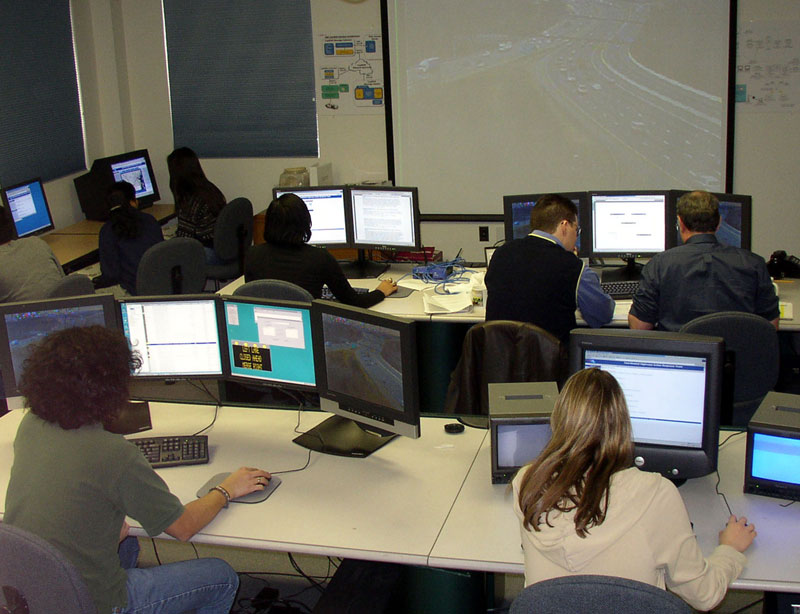
A computer is an electronic machine that receives information, processes it, stores data, and produces useful results. Modern computers can perform millions or even billions of operations in a very short time. They are used for simple activities, such as writing documents and watching videos, as well as complex tasks, such as scientific research, weather forecasting, engineering, and medical diagnosis.
The history of computers is a story of continuous development. Early computers were extremely large, expensive, and difficult to operate. They occupied entire rooms and had very limited capabilities compared with today’s devices. Over time, technological advances led to smaller and more powerful machines. The invention of the microprocessor helped make personal computers possible, allowing computers to enter homes, schools, and offices. Today, laptops, tablets, smartphones, and other smart devices provide computing power that would have been unimaginable to earlier generations.
One of the greatest contributions ofcomputer technology is to education. Students can use computers to search for information, attend online classes, prepare assignments, create presentations, and learn new skills. Digital libraries and educational websites provide access to a huge amount of knowledge. Teachers can also use technology to make lessons more interactive through videos, simulations, presentations, and educational software. As a result, learning is no longer limited to the traditional classroom.
Computers have also transformed the world of business. Companies use computers to manage accounts, communicate with customers, store information, analyze data, and conduct online transactions. The internet allows businesses to reach customers around the world. Online shopping, digital banking, and remote work have become common because of advances in computer technology. Computers also help organizations automate repetitive tasks, increasing efficiency and saving time.
Communication has been greatly improved by technology. In the past, people depended mainly on letters and expensive telephone calls to communicate over long distances. Today, computers and internet-connected devices allow people to send messages, make video calls, share photographs, and exchange information almost instantly. Social media and online communication platforms have connected people from different countries and cultures.
Another important area is healthcare. Computers are used to maintain patient records, assist doctors, analyze medical images, and support research. Modern medical equipment often depends on computer technology to monitor patients and detect diseases. Artificial intelligence is also being developed to help healthcare professionals identify patterns in medical data and make better-informed decisions.
Despite its many benefits, computer technology also creates challenges. Excessive use of computers and digital devices can affect physical activity, sleep, and social interaction. Cybercrime, hacking, identity theft, and online scams are additional concerns. Privacy has become increasingly important because large amounts of personal information are stored and shared digitally. People therefore need to learn how to use technology responsibly and protect their accounts and personal data.
Another concern is the digital divide. Not everyone has equal access to computers, reliable internet, or digital education. Differences in access can create disadvantages for students, workers, and communities. Governments, schools, and organizations can help reduce this gap by improving digital infrastructure and providing affordable access to technology.
The future of computer technology is likely to be even more exciting. Artificial intelligence, cloud computing, robotics, quantum computing, and advanced communication systems are developing rapidly. Computers may become more capable of understanding human language, solving complicated problems, and assisting people in everyday activities. However, technological progress should be guided by responsibility, security, fairness, and respect for human values.
In conclusion, technology and computers have become fundamental parts of modern society. They have improved education, business, healthcare, communication, and entertainment while creating new opportunities for innovation. At the same time, their responsible use is necessary to address issues such as privacy, cybersecurity, excessive screen time, and unequal access. If technology is used wisely, computers can continue to improve people’s lives and contribute to a more connected, informed, and productive world.